

Off-Grid Homes
A home at the end of a country lane can have a comfortable kitchen, running water, laundry, internet and lights to welcome you home. Living off-grid means supplying your own electricity to make those things possible, rather than relying on a utility connection.
Solar panels collect energy, batteries store it for later, and an inverter supplies household electricity. A generator can provide support during extended cloudy weather and the short days of a Canadian winter. Water and sewage may also be handled on site, as they are on many rural properties.
The starting point is how you want to live. A seasonal cabin, a busy family home and a retirement acreage have different needs. The appliances you choose, when you use them and how much generator operation you’re comfortable with all help shape the system.
At Solarwyse, we live with these decisions ourselves. We’ll help you understand the choices and plan equipment that suits your property, your daily routine and your budget—with practical support as your project takes shape.
The Salesman Promised More Free Time
I remember the electrical salesman arriving at our family farm, promising easier chores and more free time. Our first transformer was only 3 kW, but it opened the door to conveniences we hadn’t had before.
The convenience was real. But as appliances arrived and we found more uses for electricity, our expectations grew. The 3 kW transformer became 5 kW, then 10 kW. Each increase let us do more—and gave us more equipment to buy, run and look after.
We still had hay to put up. Horses or a small tractor pulled the wagon, but the loose hay went aboard by pitchfork and was unloaded into the barn loft. Electricity brought welcome conveniences, but there was still plenty of work waiting for us.
I’m still looking for all the free time the salesman promised.
That experience has stayed with us at Solarwyse. When planning an off-grid home, it helps to look beyond the first few lights and outlets. What will you want to power today? What might you add later? And what will those choices ask of the batteries, solar array and generator?
Our job is to help you understand those decisions, so the conveniences you choose are supported by a system planned to run them.

Planning Power for Your Off-Grid Home
What Size Inverter?
Your inverter needs to supply the appliances you use together and handle the extra starting demand of equipment such as pumps and refrigerators.
We’ll look at your appliances, daily routine and future plans. The inverter, battery bank and charging system need to work together, so you have useful capacity where you need it.
How Much Solar?
Your solar array needs to power daytime use and replenish the energy drawn from the batteries. We size the array and battery bank together, allowing enough charging power and daylight for the job.
Having the batteries charged by noon on a good solar day is a useful planning goal: it leaves afternoon sunshine for jobs such as vacuuming or laundry. Canadian winter days are a different matter. We’ll plan solar and backup charging around your location, seasonal sunlight and daily routine.
How Much Battery Storage?
Think of the battery bank as your stored fuel supply. Its usable capacity determines how much energy is available overnight and between charging opportunities.
We’ll consider your daily use, the reserve you want for cloudy weather and the batteries’ operating limits. Storage must be large enough to meet your needs, with a charging system capable of replenishing it. The bank must also supply the current your inverter requires.
What Else Is Needed?
The complete installation includes correctly sized cables, suitable terminations, disconnects, over-current protection and the required switching and grounding arrangements.
Your quotation will identify included equipment and locally supplied items. Installation must follow equipment instructions and applicable requirements, with qualified help where needed.
Solarwyse support helps you understand the equipment and make informed decisions as the project takes shape.

A Look Inside Our Off-Grid Home
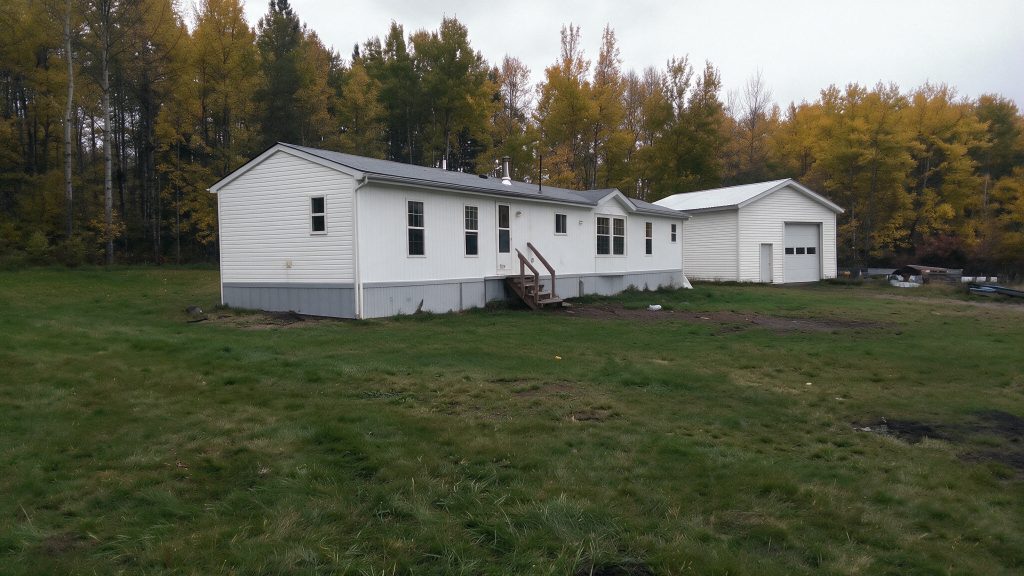
Come down the lane and you’ll find a home with the everyday conveniences we enjoy. Living off-grid has encouraged us to understand how our appliances use energy and choose them accordingly.
A gas appliance may still need electricity. Oven igniters, controls, fans and dryer motors can add meaningful loads, even when the heat comes from propane. Model details matter.
Refrigerators, freezers and other appliances cycle on and off. Their starting demands and daily energy use are different questions, and both belong in the design.
Our home has running water, a dishwasher, laundry and internet access. Generator charging supplements solar when winter daylight or extended cloudy weather limits production.
Off-Grid Kitchen
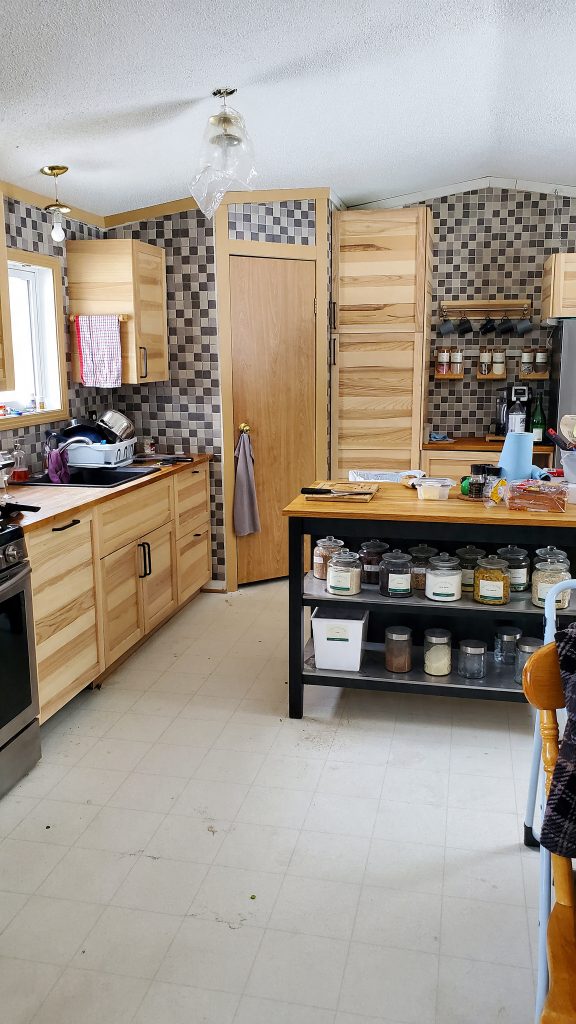
The kitchen shown here is in our off-grid mobile home. The appliances were selected for efficiency, suitability and price, rather than for a particular brand.
We use a propane stove, a microwave with an extractor fan, a counter-depth refrigerator and a built-in dishwasher. Our front-loading washer is paired with a propane dryer. Well water comes from a submersible pump, and LED lighting helps keep electrical use down.
Our typical consumption has been around 10 kWh per day, though every household is different. In winter, the generator supplements the shorter solar days.
The point is not that every off-grid home should copy ours. It is that everyday comfort is possible when the equipment and energy supply are planned together.
Why Solarwyse?
Personal Help, Practical Knowledge
Choosing an off-grid system is only the beginning. Understanding the equipment and knowing how to operate it makes a lasting difference.
Sometimes a phone call is all it takes to explain a setting, answer an installation question or help work through a problem. We can assist you and your local electrician by phone, with practical guidance as your project takes shape.
On site, we work alongside you and your electrician, explaining how the components work together and sharing installation tips and safe working practices. Our aim is to help you build the knowledge and confidence to use your system every day.
On-Site Guidance, Personally Arranged
Passing along practical knowledge is a rewarding part of our work. When an on-site visit would help you and your electrician get started, we can discuss an arrangement that suits the project.
For agreed visits supporting a Solarwyse system purchase, we normally provide installation guidance and instruction without a charge for that time. Customers cover the agreed travel expenses, including fuel, meals and accommodation.
We discuss the scope of the visit, its length and expected expenses beforehand. Additional work or extended support is arranged separately, so everyone knows what is included.
It’s a personal approach built on mutual respect, practical learning and helping you get started with confidence.
Planning your own off-grid home? Tell us about your property, the appliances you want to run and how you’d like to live. We’ll help you work through the next steps. Contact Solarwyse or call 780-402-4376.