

Solar Batteries for Off-Grid Living
Your battery bank keeps power available after sunset and when the panels cannot keep up with demand. Choosing the right bank starts with how much energy you use, the equipment you run and how long you need stored power to last.
We’ll help you compare AGM, lead-carbon and lithium options, looking at usable storage, charging requirements, winter conditions and overall cost. The aim is a battery bank that suits the way you live.
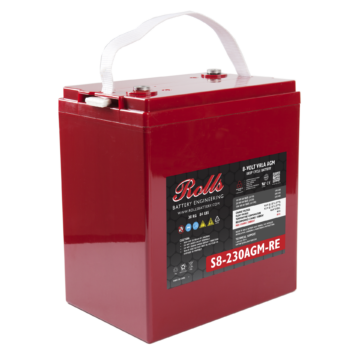
AGM Batteries
AGM stands for Absorbent Glass Mat, which holds the electrolyte—the liquid inside the battery—in place. These lead-acid batteries can be a practical choice for a cabin or cottage.
Advantages
- No routine water topping-up
- A familiar option for smaller off-grid systems
- A range of sizes to suit different storage needs
Things to consider
- Regular full charging helps limit sulfation, a buildup that reduces capacity
- Repeated deep discharges can shorten battery life
- The charger must use the manufacturer’s AGM settings
- Size the bank for both your visits and periods when the property is unused
The battery bank’s voltage must match your inverter and charging equipment. Capacity must also be sufficient for the loads you expect to run.
AGM batteries can release gas if something goes wrong. They still need a suitable location and the ventilation required by the manufacturer.
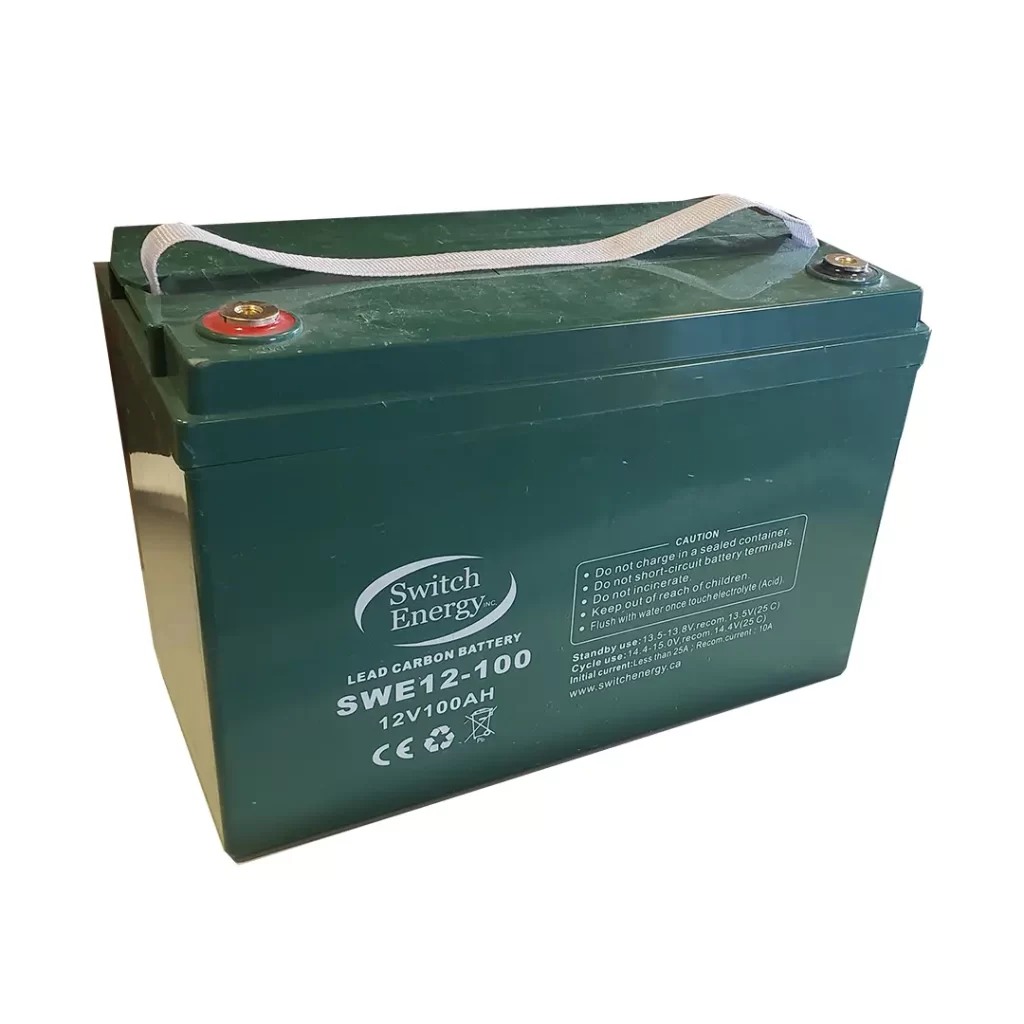
Lead-Carbon Batteries
Lead-carbon batteries are lead-acid batteries with carbon added to the negative electrode. This helps them cope with partial charging when sunshine and charging conditions vary.
Advantages
- Better suited to periods between full charges than conventional lead-acid designs
- Some models offer improved charge acceptance—how readily they take a charge
- Potential for longer cycle life, depending on the model and how it is used
Available in sizes for smaller off-grid systems and larger battery banks.
Things to consider
- Still need proper charging and regular care
- Weight, usable capacity and cold-weather performance vary by model
- Compare cycle-life ratings at the same depth of discharge—the proportion of stored energy used each cycle
We’ll help you compare the ratings and choose a bank suited to your charging conditions and daily power use.
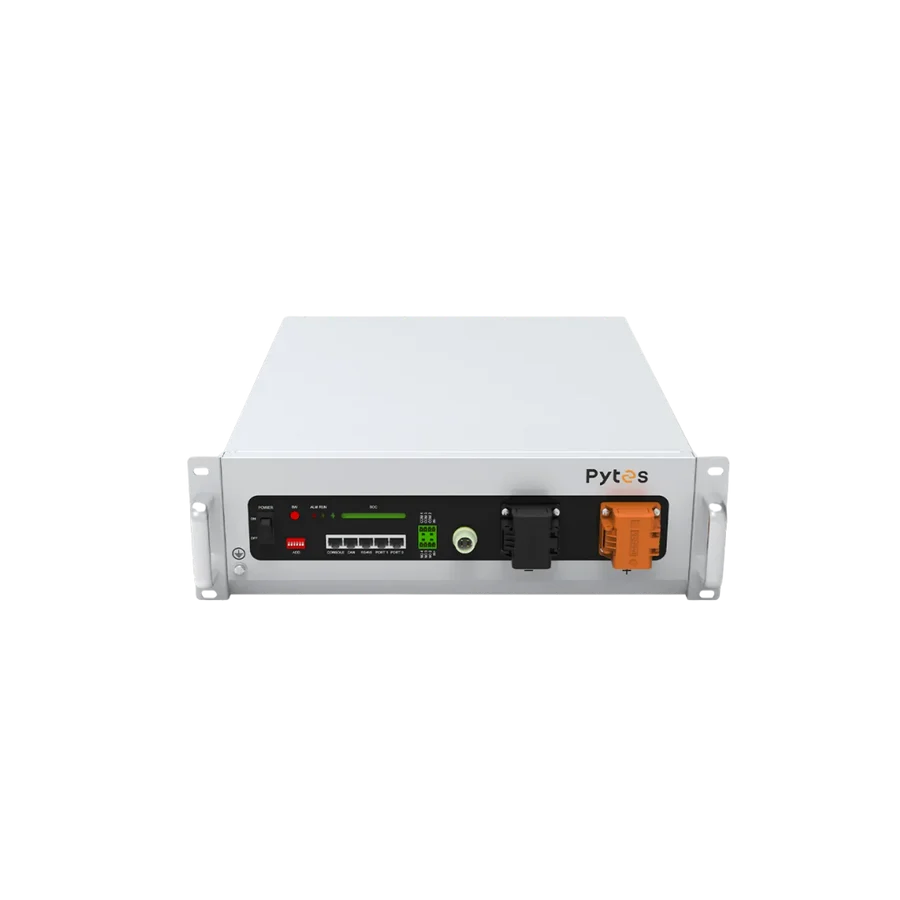
Lithium Iron Phosphate Batteries
Lithium iron phosphate (LiFePO4) is a common lithium battery type for off-grid homes. A battery management system (BMS) provides electronic protection against conditions such as overcharging and excessive discharge.
Advantages
- A high proportion of rated capacity is usable within the manufacturer’s limits
- Efficient charging and discharging
- Many systems allow compatible batteries to be added later
Lithium batteries are often lighter than lead-based batteries with comparable usable storage, although larger modules still need suitable handling equipment.
Things to consider
- Charging temperature limits vary by model
- Some batteries have built-in heaters; others need a temperature-controlled space
- Battery heating uses energy that must be included in the system plan
- Check inverter compatibility and any BMS communication requirements
- Compare complete installed costs, including heating and extra equipment
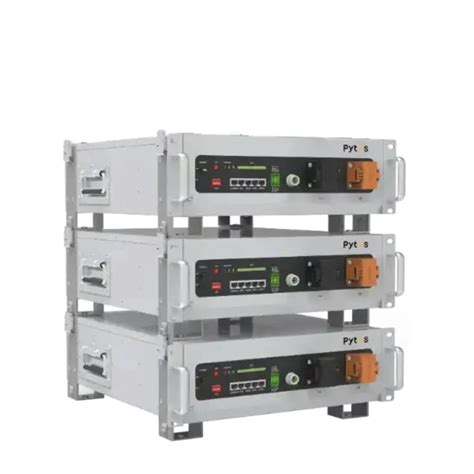
This Pytes stack shows how a modular battery bank can grow with your needs. Planning the space, wiring and compatible equipment at the outset can make future expansion easier.
Additional batteries must remain within the manufacturer’s compatibility and system limits.
Where will your batteries live? The location matters as much as the chemistry. Choose a battery approved for the intended installation, and plan for its temperature, ventilation and weather-protection requirements.
For an outdoor bank, insulation alone will not keep batteries warm through a Canadian winter. We’ll help you consider the complete arrangement before you buy.
Tell us how you use power and what you want from your system. We’ll help you choose a battery bank that fits—advice is free.